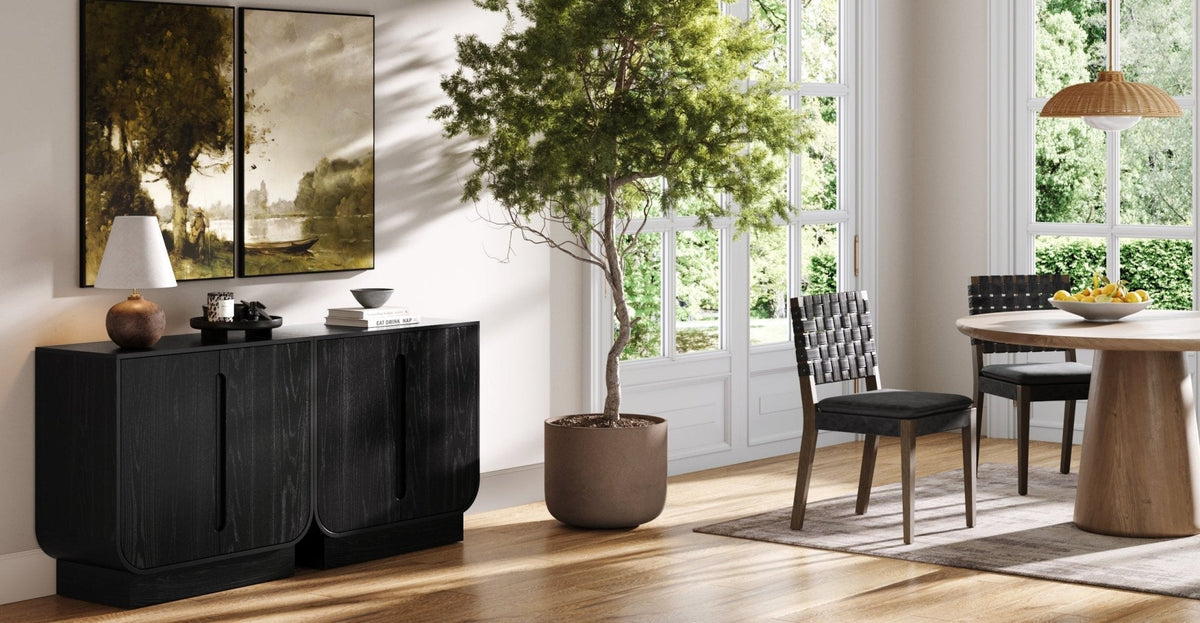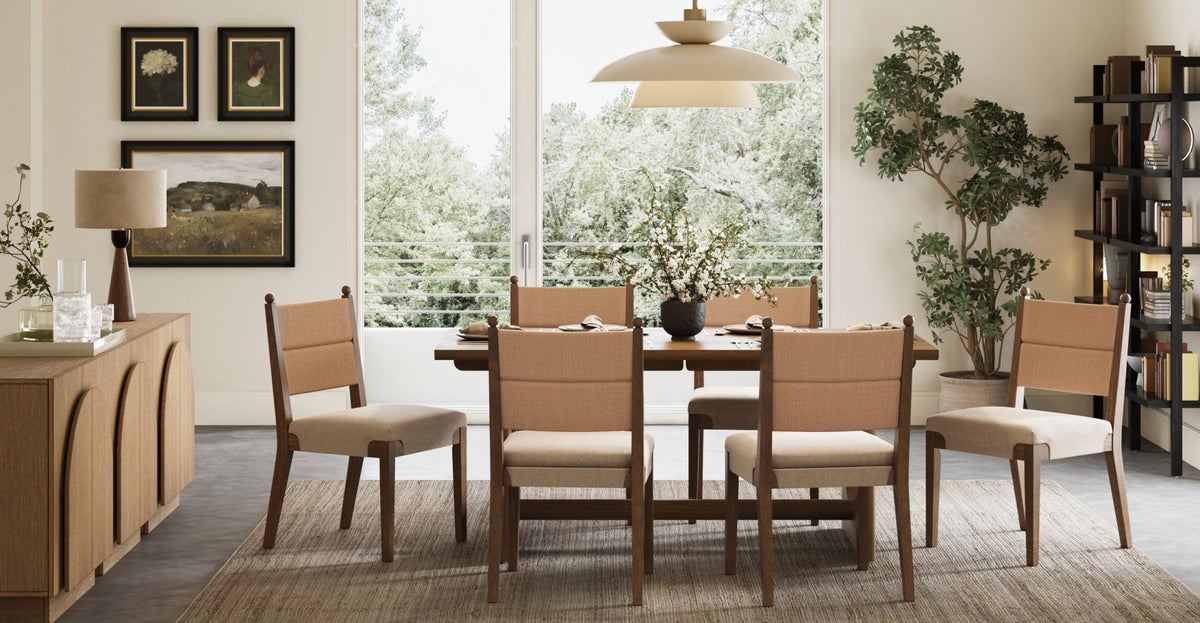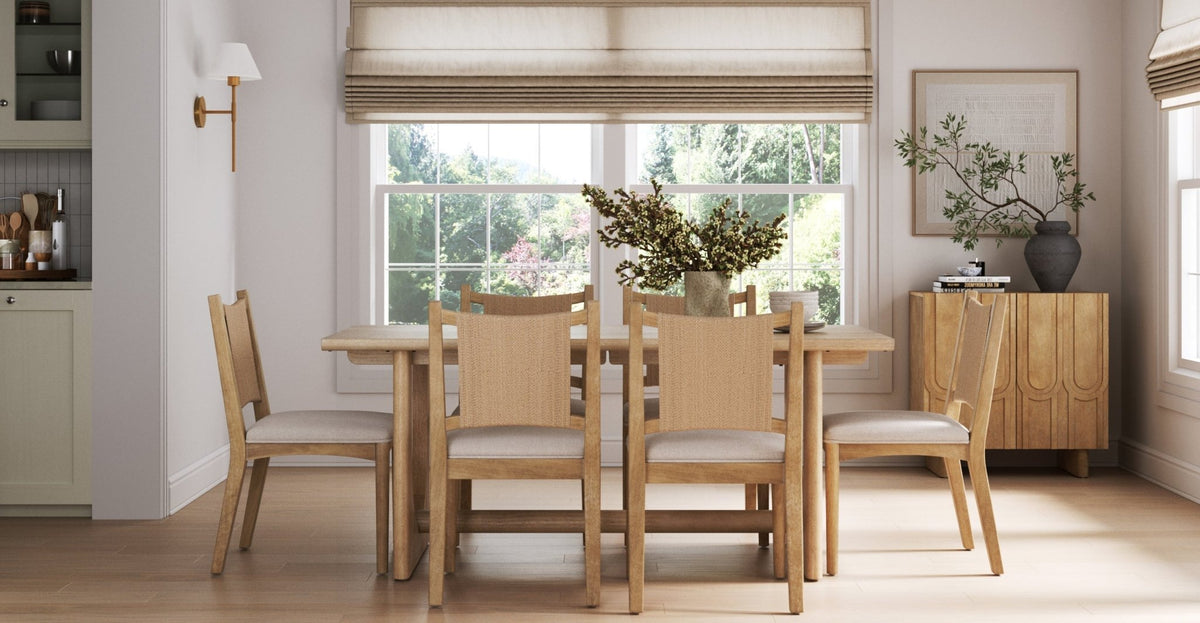
A dining table is more than a surface for plates, laptops, homework, and coffee cups. It sets the tone for the room, shapes how people move, and quietly tells a story about how you live or welcome others. The right choice balances size, shape, material, comfort, and style so your table feels natural in the space from the first meal onward.
What should you consider before choosing a dining table?
Start with the way the table will be used every day, not just how it looks in a showroom or online photo. A table for quick breakfasts, family dinners, client conversations, or weekend hosting will each ask for something slightly different. When you choose with real life in mind, dining tables become easier to compare because you are no longer buying an object; you are choosing the center of a room.
Use this quick checklist before you fall in love with a design:
-
Measure the room first: Include walking space around chairs, not just the tabletop.
-
Count regular seats: Buy for daily life, then consider extension options for guests.
-
Match the room shape: Long rooms often suit rectangular tables, while square rooms can feel balanced with round dining tables.
-
Think about upkeep: Some finishes need more care than others.
-
Set the mood: Modern dining tables can feel clean and simple, while rustic or traditional styles bring warmth and texture.
-
Check chair comfort: A beautiful table still has to support relaxed conversation.
1. Measure the room before choosing the table size
The best dining table begins with honest measurements. A table can be beautifully made and still feel wrong if chairs scrape walls, guests squeeze past corners, or the room feels crowded. Before comparing styles, measure the length and width of your dining area, then allow enough room for chairs to pull out comfortably.
As a general planning habit, leave a clear path around the table wherever people need to walk. This matters in open-plan homes, small apartments, and customer-facing spaces where flow affects the whole experience. If your dining area connects to a kitchen, hallway, or patio door, give those traffic routes extra attention.
A simple way to test the size is to mark the table footprint on the floor with painter’s tape. Add the chair space around it, then walk through the room as you normally would. If the layout feels easy, the table size is probably close to right. If you keep stepping around corners, scale down or try a different shape.
2. Choose a shape that supports the room layout
Shape changes everything. Rectangular dining tables are classic because they fit many rooms, seat groups well, and create a clear sense of direction. They are especially helpful in longer spaces where the table can follow the natural line of the room.
A rectangular table also makes it easy to define the dining area, especially in open-concept spaces. When choosing your table, consider the size and proportions of the room, as well as how much space you need around each side for comfortable seating and easy movement. The right proportions can make the entire space feel more balanced, intentional, and inviting.

3. Match seating capacity to real life
It is tempting to buy for the largest gathering you can imagine, but that can leave you with a table that overwhelms the room most days. Instead, start with the number of people who will sit there regularly. Then decide whether you need flexibility for holidays, team dinners, or occasional guests.
Extension tables are useful when you want daily comfort without giving up hosting potential. They let a room breathe during normal weeks and expand when the moment calls for it. This is especially helpful for entrepreneurs or small business owners who use one space in several ways, from family meals to planning sessions.
Pay attention to leg placement as well as tabletop size. Pedestal bases often make round dining tables easier to seat because there are no corner legs in the way. Trestle or slim-leg designs can also improve comfort, especially when chairs need to tuck in neatly.
4. Select materials that fit your lifestyle
Material tells part of the table’s story. Wood brings warmth, character, and a grounded feeling that works across many interiors. Glass can make a smaller room feel lighter, while metal accents add structure and a more contemporary edge.
For busy homes, durability and maintenance matter. A high-gloss surface may look sleek, but it may also show fingerprints or scratches more quickly. A textured wood finish may hide everyday wear better and feel more forgiving in active spaces.
Stone, ceramic, and engineered surfaces can create a polished look, but weight and care needs should be considered before choosing. If the table will be moved often, used by children, or placed in a flexible work-dining area, practical care should sit right beside beauty in your decision.

5. Use style to support the room’s story
Every room communicates something before anyone says a word. A dining area can feel calm, bold, refined, relaxed, or highly practical depending on the furniture you choose. The table is usually the anchor, so its style should support the feeling you want people to remember.
Modern dining tables often use clean lines, simple forms, and balanced proportions. They are a strong fit for open spaces, minimalist interiors, and rooms where you want the design to feel fresh without being loud. Pairing a modern table with warm chairs, soft lighting, or natural textures can keep the room from feeling cold.
Traditional tables bring a sense of heritage and comfort. Farmhouse styles feel familiar and generous. Industrial tables can give a room confidence and edge. The key is not to chase a label, but to choose a table that feels consistent with the larger experience of the space.
6. Balance the table with chairs and lighting
A dining table does not stand alone. Chairs, lighting, rugs, and nearby storage all influence how the table feels. A table that seems perfect by itself may look too heavy once paired with bulky chairs, or too delicate under an oversized light fixture.
Chairs should slide in easily and give guests enough elbow room. If you choose armchairs, check that they fit under the tabletop. Mixed seating can add personality, but keep one shared element, such as color, material, or shape, so the room still feels intentional.
Lighting should sit in conversation with the table. A pendant or chandelier centered over the tabletop can make the dining area feel complete, especially in open-plan rooms. Warm light is usually more inviting for meals, while dimmable lighting adds flexibility for work, entertaining, and quiet evenings.

7. Choose modern dining tables for clean, flexible spaces
Modern dining tables are useful when you want a space that feels current, clear, and easy to style. Their simple shapes allow other elements, like artwork, chairs, or lighting, to stand out. This makes them especially helpful in rooms that need to shift between casual meals, focused work, and entertaining.
A modern table does not have to feel plain. Look for thoughtful details such as tapered legs, mixed materials, soft edges, or a distinctive base. These touches create interest without making the room feel busy.
Modern designs also pair well with many chair styles. You can keep the look sleek with matching chairs or create contrast with upholstered, wood, or woven seating. That flexibility gives the room room to grow as your taste changes.
8. Think about maintenance before you buy
A dining table lives close to spills, heat, crumbs, crafts, laptops, and daily movement. That is why maintenance should never be an afterthought. The right table is one you can enjoy without worrying over every mark.
Ask how the surface should be cleaned and what it can handle. Some tables need coasters, placemats, or gentle cleaners to protect the finish. Others are designed to be more forgiving for daily use.
If the table will serve a busy household or shared business space, choose a finish that matches that pace. A table that requires constant caution may look beautiful but feel stressful. Good design should support the life around it, not interrupt it.
9. Set a budget that includes the full dining area
The table may be the main purchase, but it is rarely the only one. Chairs, delivery, assembly, lighting, rugs, and care products can all affect the final cost. Planning for the full dining area helps you avoid stretching the budget too far on the table alone.
Decide where quality matters most. For many people, the table itself is worth prioritizing because it takes daily use and sets the room’s foundation. Chairs should also be comfortable and sturdy, since they shape the actual dining experience.
If you are furnishing in stages, start with a strong table and simple seating. You can add better chairs, lighting, or styling pieces over time. A well-chosen table gives you a stable design base to build around.
How do you make the final choice with confidence?
Choose the table that fits your room, supports your habits, and feels aligned with the atmosphere you want to create. If two dining tables look equally appealing, return to the basics: size, shape, seating, material, maintenance, and how people will move around the room. The best option is usually the one that makes daily life feel easier, not just the one that photographs well.
Before making the final decision, review these practical signals:
-
The scale feels right when chairs pull out without blocking walkways.
-
The shape supports conversation without making the room feel crowded.
-
The material suits daily use and does not require more care than you want to give.
-
The style connects with the room instead of competing with every other element.
-
The seating plan works now and can adapt when guests arrive.
A dining table holds the small rituals that build connection: the first coffee of the day, the shared meal after a long week, the idea sketched on a napkin, the conversation that lasts longer than planned. Whether you are drawn to modern dining tables or a timeless rectangular design, choose the piece that helps your space feel honest, useful, and welcoming. That is where good furniture becomes part of the story people remember.